
AFPROVAP Conference in Dschang
Reflections on the Structured Polygamous Family as a Driver of Wealth Creation and Personal Fulfillment
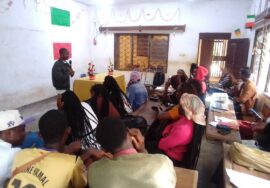
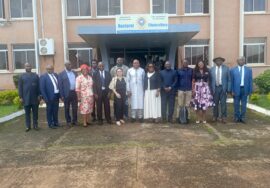
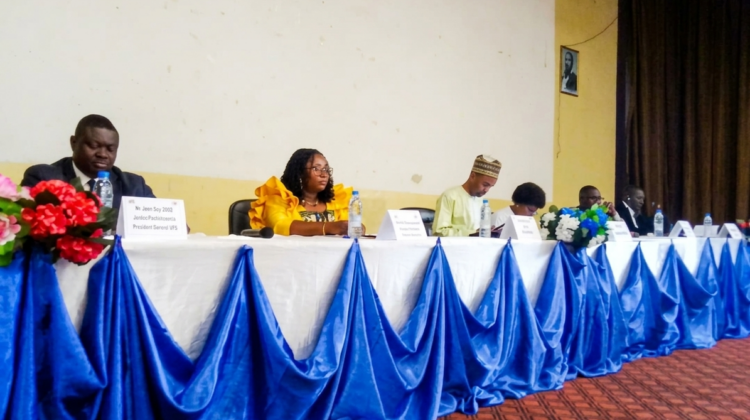
The University of Dschang recently hosted a memorable conference organized by AFPROVAP, bringing together scholars, jurists, writers, religious figures, and members of the public around a theme that stimulated both curiosity and reflection: “Structured Polygamous Family: A Lever for Wealth Creation and Personal Fulfillment.” Held at the Joseph Fondjo Auditorium, the conference created a space for dialogue on one of the most debated family models in African societies, while encouraging participants to examine its social, economic, cultural, and personal dimensions with seriousness and intellectual openness.
From the outset, the event stood out for its strong human and academic character. The presence of distinguished speakers gave the conference depth and credibility. Mr Jean Guy Zogo, jurist and pan-Africanist, President General of UPA, offered a legal and civilizational perspective. Mrs Kojo Miriane Sandrine, teacher-researcher, brought an academic and analytical voice to the discussion. Prof. Ismaïla Datidjo, anthropologist, contributed a scientific reading of family structures, culture, and social organization. Apostle Dongmo Fidèle, a liberal writer, enriched the exchange with moral and philosophical insight. The session was moderated by Prof. Aliyou Sali, whose leadership ensured a structured and engaging flow of discussion. The conference `had as president Mrs Laety Lame, President of AFPROVAP, whose role highlighted the organizational leadership behind the event.
According to Prof.Aliyou Sali, the reason for selecting this theme was to open a serious discussion on the family as an institution of structure, productivity, and human development. The theme was intended to encourage participants to think beyond stereotypes and to reflect on whether a well-organized polygamous family, governed by discipline, mutual respect, and clear roles, can become a space for stability, cooperation, and even economic advancement. In this sense, the conference was not merely about defending or condemning a family model; it was about analyzing its social logic, its practical implications, and the conditions under which it may contribute to collective and personal growth.
The discussions were marked by a rare balance between theory and lived experience. Rather than reducing polygamy to simple approval or rejection, the speakers invited the audience to think critically about the conditions under which such a family structure can function. The word “structured” became central to the debate. It implied order, responsibility, discipline, respect, transparency, and clear role distribution. In that sense, the conference did not present polygamy as a chaotic arrangement, but as a social system that, when governed by ethical principles and mutual accountability, may contribute to stability, collective productivity, and individual development.
One of the most striking moments of the conference came immediately after Madam Kojo Miriane Sandrine delivered her intervention. A brief pause was observed, during which Laety Lame performed live the song “L’amour de co épouse.” This musical interlude gave emotional rhythm to the event and deepened its reflective tone. The performance was not merely entertaining; it reinforced the conference theme by giving artistic expression to questions of co-wife relationships, emotional coexistence, and the complexity of love within a polygamous setting. The audience responded with attention and appreciation, showing that art can serve as a powerful tool for social
commentary and education.
Beyond the speeches and performances, the conference succeeded because it was highly participatory. The audience did not remain passive. Questions, reactions, and comments showed genuine engagement with the subject. This level of participation revealed that the topic touched a social reality that remains relevant in many African communities. It also demonstrated that people are eager for forums where tradition, modernity, law, morality, and family organization can be discussed without hostility.
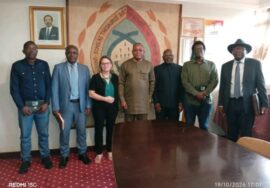
At the end of the conference, certificates of recognition were awarded to several key contributors in appreciation of their intellectual and organizational commitment. Among those honored were Prof. Ismaïla Datidjo; Apostle Dongmo Fidèle; Mme Kojo Miriane Sandrine; Mr. Jean Guy Zogo; and Prof. Aliyou Sali, jurist and moderator of the conference. This gesture highlighted the importance of valuing those who dedicate their energy to public education and social reflection.
The significance of the conference extends beyond the event itself. It raised important questions about family governance, gender relations, social responsibility, and the economic possibilities embedded in communal life. Whether one agrees or disagrees with the conclusions suggested by the theme, the conference proved that the family remains a central institution in African societies and deserves serious intellectual attention. It also reminded participants that family life is not only an emotional arrangement but a framework for education, identity formation, moral transmission, and in some cases, economic resilience.
In the end, the AFPROVAP conference in Dschang was more than an academic gathering. It was a civic and cultural experience that encouraged reflection, dialogue, and application. By combining scholarship, music, participation, and recognition, it created an atmosphere of learning that was both engaging and memorable. Its core message was clear: whatever the family model, its value depends on structure, responsibility, respect, and the capacity of its members to build unity, dignity, and shared progress./NLA