
UDs Charts and revamps a New Course for Ecosystem
Restoration Education Through Strategic Workshop
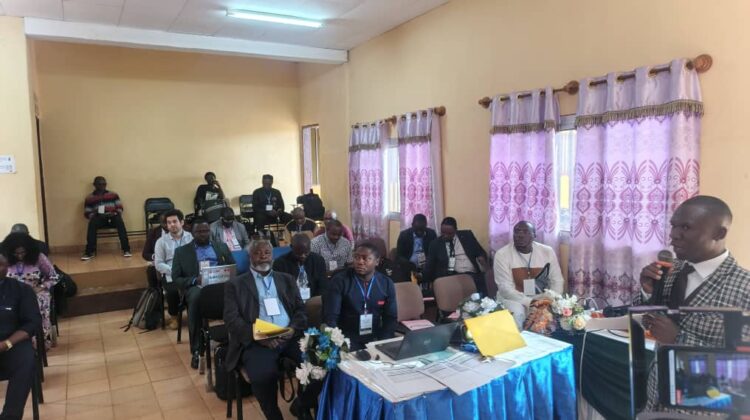
As ecosystem restoration gains momentum worldwide in the fight against climate change, biodiversity loss, and land degradation, the University of Dschang is taking decisive steps to prepare a new generation of environmental professionals . On 29th July 2026, the institution convened a high-level strategic workshop to strengthen its Professional Master’s Program in Conservation Management and Restoration of Tropical Ecosystems (CRET), with a particular focus on improving its relevance, attractiveness, and graduate employability.
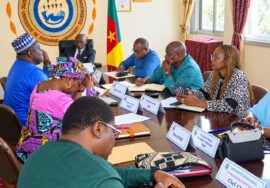
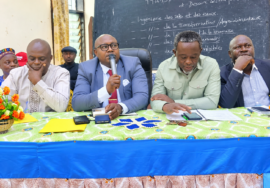
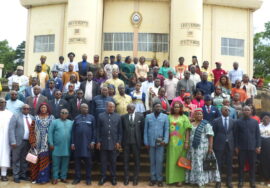
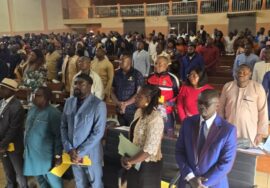
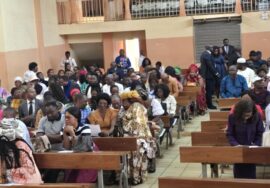
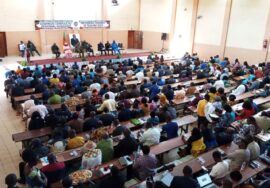
Held under the high patronage of the Rector of the University of Dschang, Professor Roger Antoine Pépin Tsafack Nanfosso, and the supervision of the Dean of the Faculty of Science the workshop, coordinated by Prof MOMO SOLEFACK Marie Caroline, brought together academicians, representatives from the Ministry of Forestry and Wildlife (MINFOF), the National Forestry Development Agency (ANAFOR), several non-governmental organizations—including ENEF and SEEDICA SARL, the Dschang Council, technical and financial partners, international organizations, and environmental experts to redefine the future of restoration education in Cameroon.
Organized with the support of the Landscape Alliance, CIFOR-ICRAF, the Global Landscapes Forum, and the CAPDEV Hub – Restoration Education Initiative, the event formed part of broader efforts to align higher education with the growing demand for skilled professionals capable of restoring degraded ecosystems and promoting sustainable natural resource management.
Opening the workshop, the Dean of the Faculty of Science emphasized that international commitments to ecosystem restoration can only succeed if universities produce graduates equipped with the scientific knowledge and practical skills needed to address today’s environmental challenges. The Dean called for continuous curriculum improvement, stronger partnerships with development actors, and increased visibility for the program to facilitate graduates’ integration into the labour market.
Representing the Rector, Professor David Yémélé highlighted the strategic importance of conservation and ecological restoration in national and global development agendas. He noted that while the CRET Master’s program has established itself as an important academic initiative, its continued success depends on strengthening practical training and responding more effectively to the evolving needs of employers.
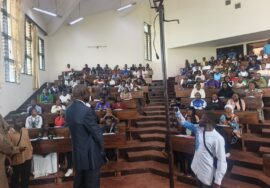
Throughout the day, participants examined the program’s achievements, challenges, and opportunities before engaging in thematic working groups dedicated to curriculum development, communication and visibility, and partnerships for internships and employment. Discussions focused on modernizing course content, expanding field-based learning, improving professional skills, and increasing the program’s appeal to prospective students across the region.
The workshop also produced concrete commitments from key stakeholders pledging to contribute specialized training modules in measurement technologies and supervise students conducting research projects, while the National Forestry Development Agency (ANAFOR) committed to providing internship opportunities. Participants further encouraged stronger institutional support from government agencies and explored the possibility of expanding the Master’s program to other regions to increase access for students nationwide.
One of the workshop’s most significant outcomes was the validation of a strategic roadmap that will guide curriculum enhancement, partnership development, and promotional activities in the coming years. Participants agreed that stronger collaboration between universities, research institutions, government agencies, and the private sector will be essential to producing graduates capable of meeting the increasing demand for restoration professionals.
As the workshop concluded, organizers praised the collaborative spirit that characterized the discussions and reaffirmed their shared commitment to transforming the CRET Master’s program into a regional center of excellence. With a clear roadmap and renewed partnerships, the University of Dschang is strengthening its position as a leading institution for ecosystem restoration education, contributing to sustainable development and environmental resilience across Cameroon and Central Africa.