
Waste Management
30 UDs Students to Benefit from Ubuntu Ecology Recycling Initiative
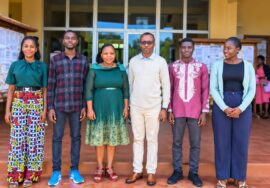
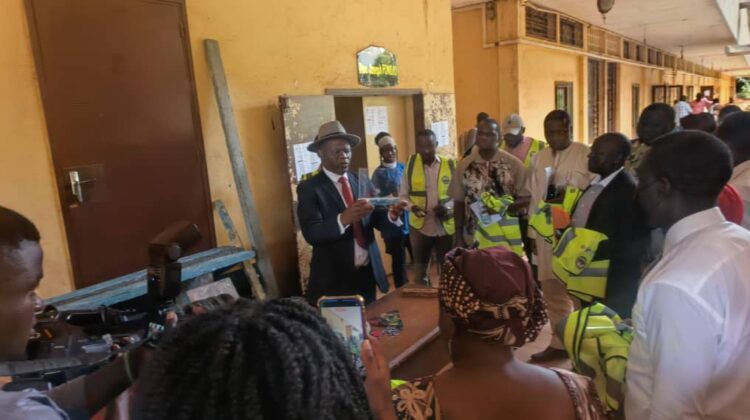
Thirty students from the University of Dschang (FASA) are set to benefit from the Ubuntu Ecology project, a waste management and recycling initiative supported by Goethe-Institut Kamerun.
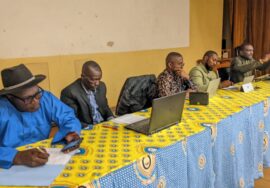
The project was launched with the support of Mr. Joseph Ade, Cultural Project Manager at Goethe-Institut Kamerun, under the institute’s « Connection Cameroon » programme. Supported by the German Federal Foreign Office, the programme aims to promote projects in the fields of arts, digital innovation, and environmental sustainability.
Speaking at the launch, Mr. Ade noted that Ubuntu Ecology was selected because of its potential to positively impact local communities through environmental education and sustainable waste management practices.
« Our objective is to support the local community by teaching people how to manage waste, transform it into useful products, and create value from materials that are often discarded, » he said. « We also hope to inspire young people to become active participants in environmental protection and community development. »
Mr Kendjoutake Gabriel of Ubuntu ecology stated that growing concerns over poor waste management and youth unemployment. According to the project initiator, Ubuntu Ecology seeks to address urban sanitation challenges while creating opportunities for skills development and income generation among young people.
Currently in its pilot phase, the project will establish a workshop where students can learn practical techniques for recycling and transforming waste materials into marketable products. The initiative also aims to develop a community that appreciates and consumes recycled products, thereby creating economic value from waste.
In his remarks, Prof Julius Tangka, the project initiator and Head of the Renewable Energy laboratory of the University of Dschang, emphasized the importance of maintaining a clean environment through innovative waste recovery solutions.
« The idea is to keep our surroundings clean while using waste materials as raw materials for the production of other useful products, » he explained. « We want to transform waste into resources that can contribute to sustainable development. »
One of the project’s notable achievements is the fabrication of public benches from recycled plastic waste, a demonstration that was highly appreciated by participants.
The selected students will receive training in recycling and waste transformation, including the production of artwork and other value-added products. The programme will also explore technologies related to electricity generation, cooking energy, water pumping, water purification, and biogas production from waste materials.
Through practical training and pilot demonstrations, Ubuntu Ecology envisions a future where waste is no longer viewed as a problem but as a valuable resource that can promote environmental sustainability, economic growth, and community development.