
12th Edition of UNIFAC
MINESUP Calls for Youth Innovation and Cultural Pride
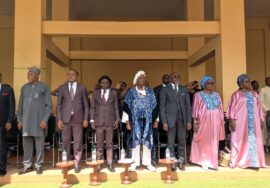
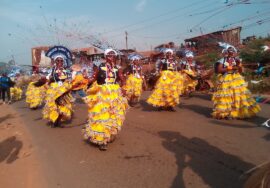
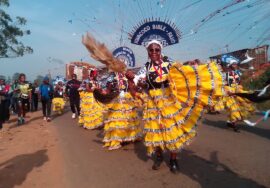
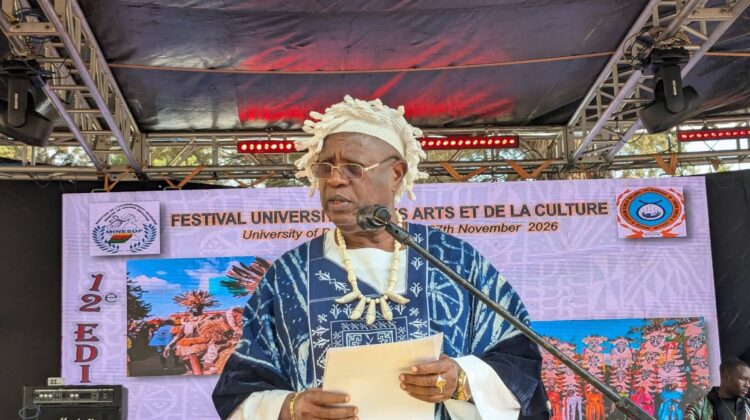
The 12th edition of the University Festival of Arts and Culture (UNIFAC), coupled with the 10th Scientific and Cultural Days of the University of Dschang, officially opened Tuesday 23rd November 2026 at the institution’s flagmast with a resounding call for student entrepreneurship, digital innovation, and cultural pride.
Delivering the keynote address on behalf of the Minister of State, Minister of Higher Education, Chancellor of Academic Orders, the Governor of the West Region, Awa Fonka Augustine emphasized that higher education must evolve beyond awarding degrees to fostering holistic development, practical skills, and job creation. Addressing university officials, traditional and religious leaders, jury members, and student delegations from across the countries, he described the coupling of UNIFAC with the Scientific and Cultural Days as a deliberate, transdisciplinary bridge between science, arts, and socioeconomic transformation.
Centered on the theme “Digitalization: An Essential Asset for the Development of Youth Artistic and Cultural Enterprises in the Era of Artificial Intelligence,” the speech urged young artists to harness e-commerce, digital platforms, and AI-assisted tools to expand their markets and build viable creative businesses. However, he cautioned against viewing technology as a replacement for human ingenuity or ancestral identity, insisting instead on a harmonious balance between modernity and heritage.
He likened the university system to a launching pad designed to propel disciplined, inventive youth toward national emergence echoing the youth-centered development vision of President Paul Biya. He praised the Rector of the University of Dschang, Professor Roger Tsafak Nanfosso, alongside local administrative and municipal authorities, for their organization and hospitality.
In a pointed appeal to students, he urged young Cameroonians to abandon an excessive preference for imported fashion and trends, calling on them to wear traditional garments such as ndop, togo, kaba, and boubou with pride. He similarly championed indigenous musical rhythms including bikutsi, benskin, and mangamba as well as local agro-products like Santchou and Ndop rice, Babadjou palm wine, and Kekem chocolate as rich avenues for research, processing, and wealth creation.
“Let us not seek to look like others in order to exist,” he declared before formally opening the joint festivities, urging students to root their global ambitions firmly in Cameroon’s diverse cultural heritage.